DISCOVER THE SUPERFICIAL VENOUS APPROACH:

A Structured Approach to Efficient superficial Venous Care
The BD Superficial Venous Approach supports efficiency in varicose vein treatment through enhanced Venous ablation procedures and streamlined venous care.

1. Clinical Treatment
Treatment of chronic venous disease and varicose veins may vary based on patient anatomy, disease presentation, and procedural workflow. As treatment demand increases, efficient procedural solutions become important to help clinicians manage venous reflux care while supporting consistent patient access to therapy.
The Venclose™ RF Ablation System is a low-profile radiofrequency ablation platform designed to support the treatment of superficial venous reflux associated with varicose veins.
The Venclose™ Catheter Procedure
The Venclose™ Catheter Procedure is an RF ablation segmental treatment that delivers controlled and uniform heat transfer through a versatile dual heating length coil at a consistent temperature.
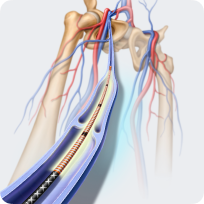
Step 1
Catheter delivers target heat along vein segments
Step 2
Heat then causes the diseased vein to shrink
Step 3
Catheter es easily removed, blood flow is redirected to healthy veins

2. Physician Education
Varicose vein care can involve inefficiencies in treatment planning and procedural workflow, particularly when anatomical and procedural considerations such as tortuous veins, varying vein diameters, and access considerations are present. BD provides physician education and solutions intended to support more efficient treatment planning and procedural workflow.

 Locked

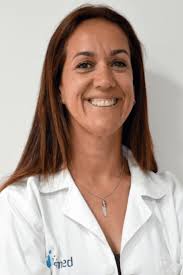
Dr. Ortega (3:42 min)
 Locked
Dr. Kontothanassis (2:42 min)
 Locked
Dr. Stanišić (3:46 min)

3 Patient Education
Chronic venous disease and varicose veins can impair blood flow in the legs and may progress over time if symptoms are not assessed.
BD supports patient education with clear information to help people understand chronic venous disease, recognize symptoms, and engage more effectively with their healthcare provider. Better-informed patients may be better prepared for treatment and follow-up care, helping support a more efficient care pathway and potentially reducing inefficiencies throughout the venous care journey.
Arteries carry blood away from the heart to the bodily tissues and organs. Healthy veins carry blood from the bodily tissues back to the heart and lungs.
Healthy leg veins contain valves that open and close to assist the return of blood to the heart. Sometimes, the valves become damaged or diseased and can no longer close properly. As a result, blood can leak back through the valves and pool in the lower leg veins. This can lead to chronic venous disease (CVD).
In the United States, approximately 25 million people are affected by CVD and about 6 million present advanced stages and CVI, with an estimated cost of USD 3 billion per year. Thus, it is undeniable that CVD represents one of the most frequent vascular diseases. While risk of CVD increases with age, it can begin as early as adolescence. It’s also important to know that visible vein disease is far more than just a cosmetic problem. Varicose veins occur about three times more often in females than in males. Men should still be evaluated if they experience symptoms or believe they may be at risk.
CVD can develop into a more serious form of venous disease called chronic venous insufficiency (CVI). Being well informed about the disease helps patients take timely and appropriate action.
Risk factors include family history of varicose veins, age over 50, female sex, deep vein thrombosis (DVT), history of blood clots, multiple pregnancies, obesity, smoking, and lifestyles involving long periods of standing or sitting.
Symptoms usually affect the lower legs and may include spider veins or varicose veins, heaviness, aching, tightness, leg fatigue, discomfort, pain, swelling, restlessness, or muscle cramping. Advanced signs include numbness or itching, changes in skin color or texture, and the presence of wounds or venous ulcers.
Several treatment options are available for venous reflux. Radiofrequency (RF) ablation is widely accepted and is the predominant approach used in the U.S. RF technology has been established as a treatment option for more than 20 years. CVD is a progressive disease, and without treatment, symptoms may worsen over time.
The global prevalence of VLU is estimated at 0.32% of the population. Despite advancements in compression therapy and wound care, healing rates remain suboptimal, with only 42.2% of ulcers closing within 3 months and 48.6% within 6 months. Moreover, recurrence rates are high, with up to 70% of patients developing new ulcers within 6 months of initial healing.
Efficiency in action
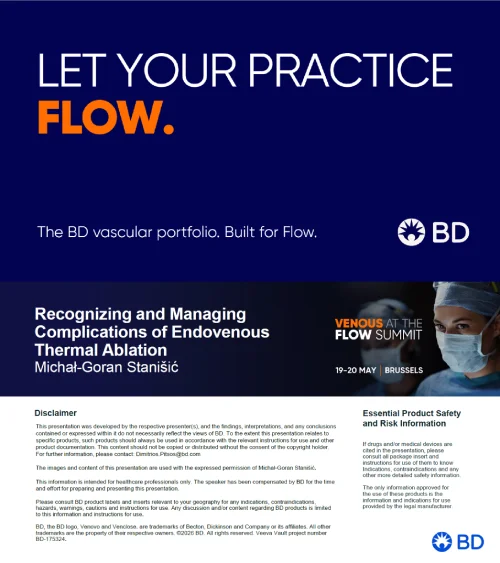
Recognizing and Managing Complications of Endovenous Thermal Ablation
Download Dr. Stanisic presentation for practical insights on recognizing, preventing, and managing complications in endovenous thermal ablation.
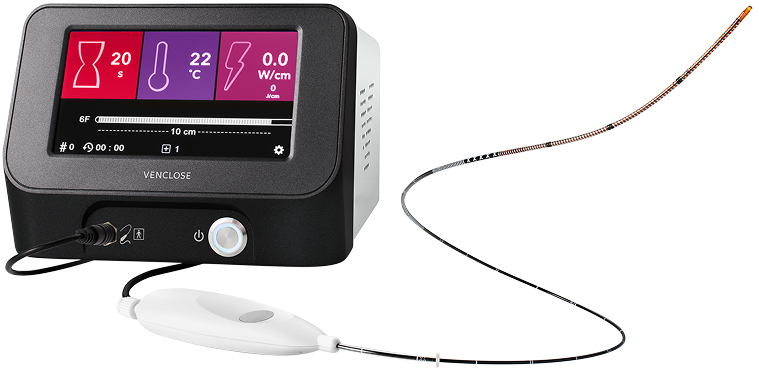
Dual Heating Lengths
- Eliminate need for more than one catheter
- Reduce practice inventory burden
- Treat long and short segments with the same catheter
- Ablate more vein during each heating cycle
- Lower the total number of ablations

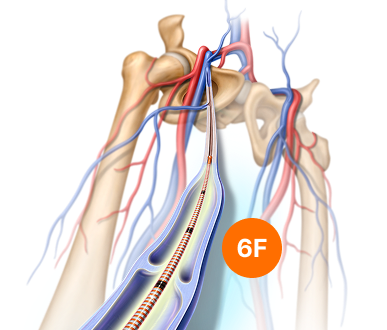
6F Profile Design
- Offers flexibility to navigate tortuous anatomy
- Helps to minimize invasiveness
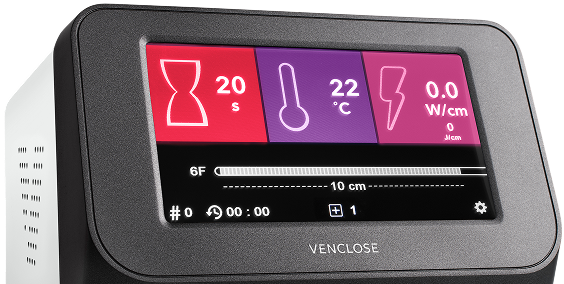
Venclose™ digiRF Generator
- Touchscreen display with real time procedure data
- Audible tones for thermal delivery, focus more on patient and less on display
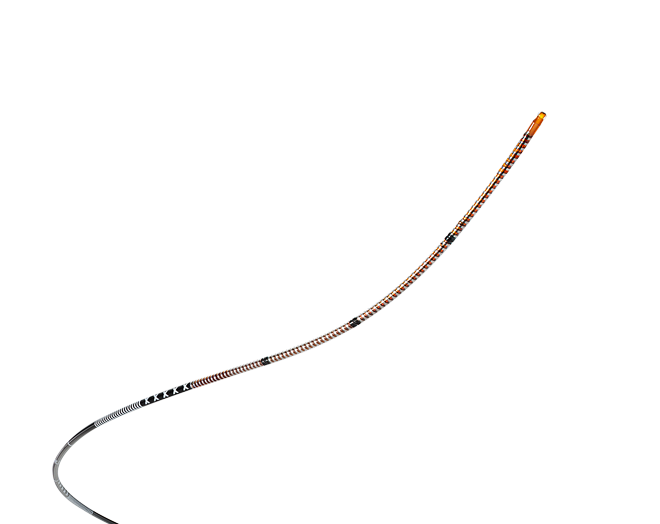
Curved-Tip and Markings
- Provides maneuverability within the vein
- Helps to ease navigation and positioning

BOOK YOUR
DEMO SESSION
-

Experience the Venclose™ RF Ablation System
Review how the RF ablation procedure works step-by-step and understand how it fits seamlessly into your current venous workflow.
-
Review the procedural workflow
Explore the Venclose™ RF Ablation System workflow, from access to treatment completion, with practical considerations for procedural planning.
-
Understand RF technology considerations
Learn about radiofrequency ablation technology and procedural factors that may inform treatment approach selection.
-
Optimize your procedure setup
See how the Venclose™ RF Ablation System design and workflow may support procedural efficiency in the treatment of superficial venous reflux associated with varicose veins.
 BOOK NOW
Insights from the experts
Shaping venous care.
 Locked
Treating CVI with Confidence: A Surgeon's Experience with RF Thermal Ablation
Watch Video Locked
From Challenge to Confidence: A Vascular Surgeon's Perspective on RF Ablation for CVI
Watch Video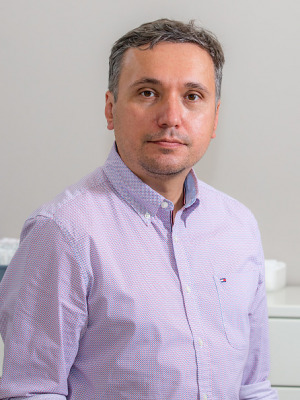 Locked
Sign up to access the efficient approach to venous care
Frequently Asked Questions
The Venclose™ RF Ablation Catheter is a minimally invasive device that uses radiofrequency (RF) energy to apply heat and close a refluxing vein, causing it to shrink. Key procedural steps include:
1. A vein specialist places a small catheter into the diseased vein using local anesthesia, similar to inserting an IV.
2. The catheter is advanced and activated to deliver targeted RF energy, closing the vein.
3. The catheter is slowly withdrawn to treat the entire length of the vein.
RF ablation technology may reduce postoperative pain and bruising compared with vein stripping or laser therapy.
The Venclose™ Catheter procedure is typically performed in a vein specialist’s office in an outpatient setting or in a public hospital.
Individual recovery may vary, but patients can typically resume normal activities within a few days following an RF ablation procedure. Patients should consult their physician before resuming normal activities.
Unlike some vein catheters that can be reprocessed and reused, the Venclose™ RF Ablation Catheter is a single‑use device intended for one patient only. It is also not a permanent implant. Patients should discuss available treatment options with their physician.
The Venclose™ RF Ablation Catheter uses RF technology that has been established as a venous reflux treatment option for more than 20 years.