
 IV NEWS


News and innovation December 2, 2024
The role of medication pH in choosing an IV catheter
There are a lot of factors to consider in choosing the appropriate vascular access device (VAD), including treatment regimen and…
The role of medication pH in choosing an IV catheter
There are a lot of factors to consider in choosing the appropriate vascular access device (VAD), including treatment regimen and…

Irritants and vesicants: ensuring safe IV therapy
Certain infusates used in patient treatments can cause discomfort or injury, either to the veins directly, or to surrounding tissues…

“Complications of IV catheter therapy are simply the result of one complex and highly variable mechanical system—IV catheter equipment design,...
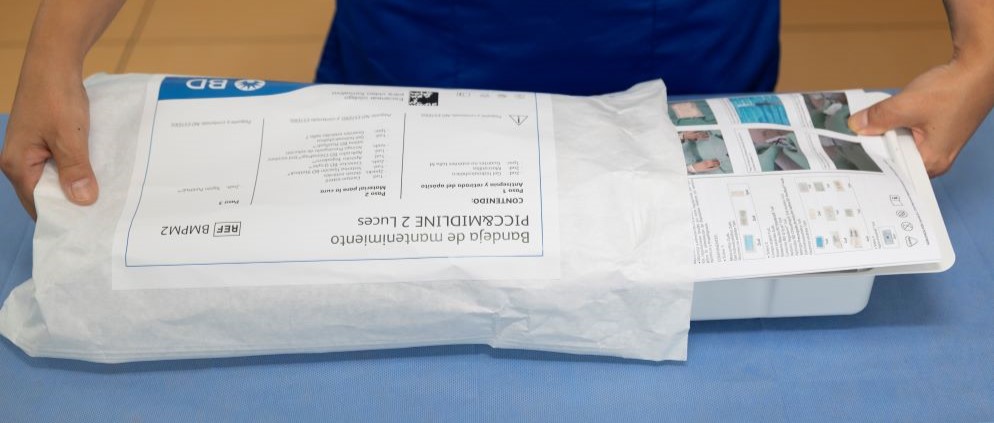
Convenience packs: streamlined IV catheter care in the hospital and at home
Along with other considerations, central venous catheters or peripherally inserted central catheters (PICCs) are typically recommended when longer-term intravenous (IV)…

Occupational cancer: How you can help reduce the risk
Healthcare workers (HCWs) who handle hazardous drugs (HDs) or hazardous medicinal products (HMPs) have a highly significant genotoxic risk, which…

The sustainability benefits of prefilled flush syringes
From the electricity required to run hospitals, to the emissions created by healthcare-related supply chain processes, healthcare has a significant…

Veterinary IV catheter placement: how to manage challenges
Peripheral intravenous catheters (PIVCs) are frequently placed in veterinary patients to administer fluids and medications.1 However, these vascular access devices…
You're about to leave - but the conversation is just getting started.
Become a VAMbassador today.
Your source of information on intravenous (IV) therapy with weekly features on medication delivery and vascular access management has been turned into a community. Here are the benefits you'll get by signing up:

Personalised experience
See and learn about the topics most relevant to you

Exclusive content
Gain access to talks given by expert speakers

Monthly newsletter
Receive personalised updates in your inbox


